How P&R Runs Wireless on NetSuite
What changed when every ticket, contract, and project started flowing through one sales order. Invoices out in an hour, audit prep in days.
About this episode
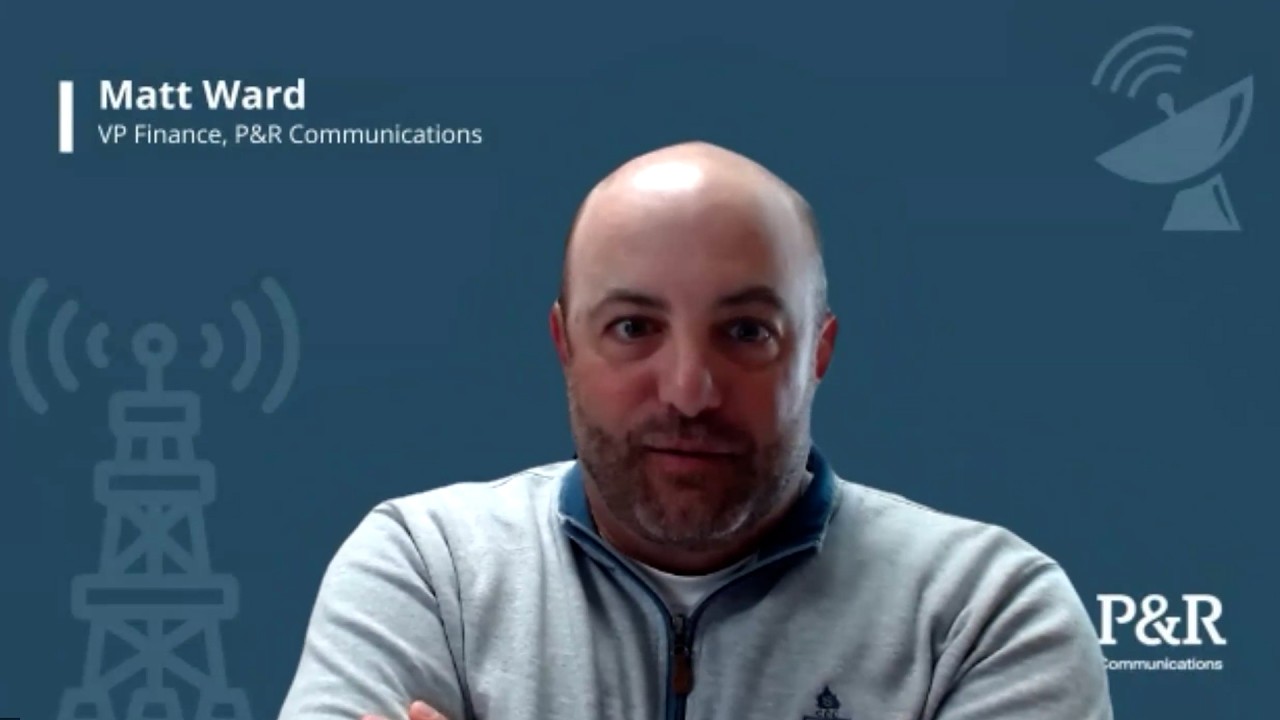
Matt Ward's first day as VP of Finance at P&R was also day one of the ERP kickoff, making this a before-and-after story from the finance seat.
The before: invoices printed and scanned just to be emailed, project profitability guessed at after a week of digging, data scattered across SharePoint, a ticketing system, and people's heads. The after hangs on one decision: everything flows through a sales order, so tickets, contracts, and projects all bill and report from the same spine. Ward gets specific: invoices out in an hour instead of two days a week, audit prep down from three weeks to two or three days, and a finance team a position and a half lighter, credited entirely to the system. One calculation, that saving 23 minutes per technician per week is worth about $84,000 in revenue, captures the new visibility. Still ahead are a Luxent-built rental module and Claude in their reporting.
Talk to a NetSuite consultant
Questions about what you just watched? A 30-minute call with our team gets you straight answers on your own setup.
Book a call00:06Okay. Well, hello everyone and welcome. Thank you guys for joining us today. We're very excited to be hosting these industry series events. So, this webinar is part of our Luxent industry series where we sit down with leaders who are are in specific different industries and are really in the weeds running the technologies that you guys are interested in learning more about for their company. So today we are talking all things wireless industry and I've got two great guests here with me today. Matt Ward, VP of finance at P&R Communications and my colleague Cheryl Hoff, VP of customer success here at Luxent.
00:41So let's get into it. First things first, I want to welcome or introduce you guys to everyone we have on the call here. So first, let's welcome Matt Ward, VP of finance at PNR Communications. Matt has a deep background in pricing and strategy and he's going to walk us through P&R's NetSuite journey and kind of the impact that it's made on their business today. And next up, I want to introduce Cheryl Hoff. She's our VP of customer success at Luxent. And Cheryl has a really incredible background in the ERP in cloud platforms and she really knows the wireless industry very very well and she kind of knows it inside and out.
01:16So, she really she works directly with our customer base and kind of works with them day-to-day to see what's working, what's not, how to problem solve things, and really how to get the most out of NetSuite. And finally, I am Brooke Gyepes. I'm the director of marketing here at Luxent. Um, and I work closely with a lot of growing companies kind of as they are scaling on NetSuite. So, I'll be your guys' host today for the most part. Um, and I'll be kind of guiding the conversation and we're very excited.
01:44So with that, I'm going to give you just a quick introduction on who Luxent is and then we'll get started. So Luxent has been helping companies implement, grow, and scale on NetSuite for the last 16 plus years. And we're premier NetSuite solution partner. So and a certified SuiteCloud development partner. So we really cover the full life cycle of people's ERP journeys from selection, implementation, integration, custom development, and all of the fun ongoing support. Our consultants average more than 10 years of experience and we really focus on companies in the wireless communication industry, medical device, food and beverage software and then a handful of others.
02:21So, okay. Well, first things I want to do here is kind of set the stage. So, before we really jump into this conversation, I wanted to give everyone on the call here today a little bit of a better understanding of what P&R was really looking to get out of a new system like NetSuite when they first came to us a handful of years ago. Um, so they first expressed that there were some obviously major pain points that they were struggling with with the current systems that they were using and they also had some wants that they wanted out of a new system.
02:50So with a new, you know, updated fun fancy system, there's some things that you want to do that are beyond just kind of the basics there. So I imagine many of you on the call today are looking at some of the these things on this list on the screen and saying, "Wow, that really relates to me." You know, something that was really important was overall visibility. you know, a single source of truth where we're looking at things in a whole bunch of different systems, like how do we see this in a in a better, more unified way.
03:15So, um, subsidiary management, more robust reporting, reporting that doesn't take three to four days to try and pull and get out of a system. Project tracking, CRM, you know, a better visibility in your inventory, that's obviously very important. Um, tracking maintenance contracts, and then another really big important thing was kind of having that cloud platform with that mobile accessibility. So, now that I've kind of set the stage here and you guys have a little bit of a better understanding of where we were when we started this journey, I want to open up and talk with Matt about how they look, you know, two years down the road.
03:50>> Okay, I am going to stop sharing my screen here so you guys can see all of our lovely faces as we kind of move through this interview. >> Okay. Hello everyone. I can see you now. Very excited. Okay, Matt. So just kind of to start us off, can you tell us a little bit about your background and what the landscape looked like at P&R? You know, kind of when you stepped into this role on day one of the NetSuite implementation. >> Yeah. So my background was more uh kind of corporate uh as as Broo had mentioned in in pricing and strategy.
04:20Um a little bit of finance earlier in the career, corporate finance stuff in early in the year. Um my my I I do did have familiarity with P&R because uh it is a family business and that's my in-laws family business. So uh certainly knew some of the struggles they were going through with systems and stuff coming in. But my first day on the job I was uh thrown right into basically the three days of kickoff with with the Luxent team. So So I really knew nothing as I started with P&R. I mean, I knew what we did and stuff like that, but uh first day was three days of meeting with the Luxent team to to get started.
05:04>> The best start to a start to a new position. >> I'm still here, right? So, that's good. >> Yeah. >> Yeah. >> Okay. Awesome. Well, thank you. Thank you for that background. So coming into a company that was kind of mi in the middle of moving away from some systems that had been in place for many years which is the case for many of the the wireless companies that we've worked with you know what were some of the immediate manual processes that you identified as some of the biggest opportunities for improvement like what were you really hoping to see kind of out of out of NetSuite there?
05:31Yeah, since I since I was kind of more on the finance side for for P&R, um there's there was two things I think that popped was was how manual it was to do things like send invoices, which obviously very important to a business and and you know and get uh things entered for AP side, right? And paying doing check runs and how it was all over the place. So just kind of on that side just the processes of everyday bookkeeping that you have to do took a lot of time. And the other one is as as I was kind of right you know starting I'm trying to learn and I'm asking basic business questions kind of where do I get sales by customers for the first quarter some you know basic kind of business questions I would say our old system just couldn't get couldn't get information out couldn't get information out so it was just very cumbersome maybe we could get it out but it came in like a PDF format um being a finance person I'm used to Excel obviously so you can kind of run some analyses and whatnot.
06:38So, um, those were kind of the two big ones that and just the different the data was in all different spots, right? Some of it was email. We did have a system, we had a service, uh, a ticketing system for service, um, SharePoint, people's brains, right? All that stuff, all that information was everywhere. So >> yeah, I just a note, I know I'm probably not supposed to speak now, but but it was very true when we started this, it was pretty apparent that there was the silos in the system in the in the operation and what Matt said that there was like I'm going to pick on the sales guy.
07:13It was all in his head. He figured out what that quote's going to look like. It's all there and then by the time it had to get to somebody to actually do something with it, it it was telephoned. So, you know, now everybody's working on the same data set and we they it's clearly communicated. It's in writing. It's right there that that's what I want. So, you know, there was that that gap, but it it came out in the conversations around where is that? I got it somewhere, you know, anyway, but not to pick.
07:42>> Let me search my brain here. >> Right. Right. >> Always a little bit spooky there. >> Yeah. So, um, you know, Matt, PNR, I know you guys kind of really manage a a complex kind of business here with power rentals, maintenance contracts, fixed bid projects, equipment sales, and rentals, and all of this is kind of ongoing simultaneously. You know, how did you and and Cheryl, you as well, kind of approach structuring your ERP to handle all of this, you know, different kind of revenue streams? Yeah, I gotta give credit to Cheryl and and your team really because we didn't really know what we were getting.
08:17We knew what NetSuite was, but that I feel like the Luxent team was able to guide us in the right direction, right? Cuz we, as Cheryl just mentioned, we were all over the place, right? And so now everything everything we do basically drives through a sales order, which wasn't the case before. It was service was held over here and you're jumping system. So who who knows? I mean, it kind of makes me sick to my stomach how many, you know, tickets we might have had to bill for, but we never did, right?
08:44And that's, you know, real money just out the door that we did the work, but because we've got to take it manually from one system to another, then someone had to enter it in the new system and then invoice. Now, everything we do flows through a sales order. It does. It cannot get invoiced without a sales order, which has been awesome. >> Yeah. Yep. Just add add to that just a little bit. So that that was the fundamental one place one one you know one source of truth I think was the mantra right and it had to start somewhere and some somewhere whether it was an order or sometimes in a quote but but the order was the basics that's that's the gospel troop that's what we're working on we know what where it's at at any point like it's it's it's pending approval it's some being worked or we're waiting on parts whatever but but it's the central hub of how everything works and everything else falls falls around it.
09:36And when when when we were working with the you know uh PNR like NetSuite is the platform it's an ERP application it that's what it's supposed to do but then there were some nuances of their business that we went and we looked at other applications that work with NetSuite. NetSuite has an ecosystem of applications that we can bring to bear to the core NetSuite. And so in some cases we did that right we augmented some of that piece right to facilitate a piece of the business and so this was pulling all that together but fundamentally even all those apps start with an order.
10:12So that that was kind of a foundational right. Yeah. >> Awesome. >> Okay. >> Well super helpful. You know, and Matt, I remember you you kind of had mentioned to me at one point in time um that when we were first going into into the the kind of implementation piece, you know, there was a lot of pieces you guys had that were running smoothly and you liked the way that they were running and that you know, you you thought it was great that NetSuite was able to kind of flex to what your business processes, some of your business processes already looked like versus trying to like kind of fit a square peg in a round hole.
10:46>> Oh yeah, I think that was huge. I think it was I think it was a healthy mis mix of each right and again right a lot of this was some guidance from the Luxent team but we have a lot of weird things going on like you know we have vendors that are customers we have customers that are direct customers and also c kind of subc all this stuff going on that um we all deal with um but the fact that we the system >> is kind of customizable enough and I don't mean like to a degree where you need a PhD to figure it out but it's it's you can bend it the way it works and then on the which was awesome because a lot of our stuff we liked how it did but we just wanted it in a system so we could track it and so a lot of our business processes fell into that bucket but then there was other ones where it's like why are you doing this well that's because we have to because of the system we'd much rather do it this way and NetSuite was able to accommodate that too to drive kind of efficiencies through our operations >>
11:42that's awesome >> yeah So I think you had just mentioned uh Matt one of the key things was the disparity with the field service which you do a lot of right I mean that that's your main state you are a services company >> services right top oh by the way you sell some product along the way but but you're fundamentally a service company right and so all that was disconnected and somewhere else so now that we have tickets service tickets what do I got to do is it billable or not flowing through the system and at if it is it it generates a sales order and you invoice it.
12:19So, how has that kind of you you kind of mentioned it rocked your world a little bit in a good way? >> No, it's it's been it's been awesome because that's another good point that we haven't even touched on yet is now our contracts are so we have maintenance contracts, right? So, if we do a get a service call, if you have a service contract with us, a lot of the stuff is part of that contract, the maintenance contract that you you pay us for, right? And not I'm not even talking about the billing of the contract.
12:43It's now it's now is that right right away say oh this is the this is you know Joe from ABC oh you have a contract that ticket gets set up right away as a contract uh ticket contracted sales order so we don't have all this as far as kind of forecasting and things like that it's we know right away that it's a the system knows we've always known but the system now knows that it's a this one's not going to generate revenue this is zero we we owe this to the customer they pay us a way, right? And and the versus now uh a TNM, we have live tracking of the data, right, of the time and if they have to go back and all that stuff.
13:23So, um again, going all the way back to that centralized uh uh uh sales order, right? The sales order that drives everything. Well, the tickets kind of come that way as well. So, um and it's a real easy app that our text just click buttons, right? So leaving done message what I did that sort of stuff. >> Yeah. Yep. And then then so you got the the the ticket you know kind of the the field work but then you got the big projects too and and talk about a little bit about how projects we you know you introduced projects or you always had projects you are you always did them but then how managing them within NetSuite now with the pro you know the project and the capabilities there on figuring out what you got and you know uh we're not pencil scratching how much money did we make on that one right uh >> yeah no absolutely projects is probably what we what we call projects in in our businesses accounts for about half of our revenue, right?
14:19So, it's it is definitely the biggest driver. Um, this is going to sound kind bizarre, but before before NetSuite, we did very little to no kind of profit uh project profitability analysis, right? What what went well, what didn't go well. kind of knew like, oh yeah, we ran into some some issues on a job, but from a reporting perspective, it you'd have to pull data from, like I kind of said earlier, maybe the SharePoint drive. You'd probably have to interview the texts that worked on it. Uh you'd go to the ticketing system and find that well, none of the tickets were accurate because we didn't really have the checks and balances in place to make them accurate.
14:57Um you got the sales you got the sales order over in another system, right? And so the best we could do was really just guess and who knows, right? And it took that that took probably >> a week to do one project. So, and being a small business, we don't have a week to do one project work. We got to get on to the next one. And now it's lit. I'm I'm not kidding. It's all set up. I know obviously there was a lot of work going into this to get it set up and but it's a click of a button. I can tell you exactly where a project is today.
15:25Um the Lexus team helped us build a lot of reports. we can go in and I can see where we are, what we budgeted, what we've used on a project as far as labor today. Um, and now we have it's kind of just part of our regular monthly cycle. We actually uh actually bi-weekly. It's not even it's a it's bi-weekly that we look at projects that closed and get that information fed back to kind of our pre-sales engineers to say, "Okay, well, you know, we're trying to get better. We're not, you know, in there to, you know, we're trying to get better."
15:59That's the whole thing. So, what happened here is all we're doing, right? We're not we're not there we're not here to scold or anything, but we now have the information of of to be able to tie all that stuff together and and be smarter the next time we do it, right? So, >> yeah. Yeah. That's awesome. That's that's so great. Yeah. I mean, it's just amazing really where you've come from. Hamstrung. You ran a very successful business. Now you're a little bit unhamstrung and you have more data and and easier to work and it's going to be you know you you you I think you mentioned you've doubled or something you know with the use the assistance of solution like this.
16:40Yeah. >> Yeah. Yeah. I mean we have since I think which was been we've been blessed enough that I think we're about in as far as revenue double the size we were um six uh probably more like six seven eight years ago but short time to double the size >> and we actually have less full-time employees uh than we did back you know six or seven years ago doing twice the amount the work so um certainly tools like Luxent or that Luxent help uh implement um >> are part of that Right. I mean, even on my team alone, I when I started, I had just two of her small but two full-time.
17:20>> One left to pursue another opportunity. We never backfilled that position, and my other one went down to part-time for 24 hours a week. And I have not and I don't see the need to hire someone else. So, that's real dollars right there. That and that's I can 100% say that, you know, one and a half people right there. That's 100% all because of the system. >> Wow. Yeah. Wow. Impressive. Good. Good for you guys. I mean, honestly, I mean, it's that's huge. >> It is. >> And then I think, you know, when you know, you were talking about invoicing challenges, you know, in the old way, right?
17:54You had to get the order what it was, plug in the invoice, send it out, right? There was a big trail. And now that's all hooked in with our fancy little in order. But but also we've automated or you you've automated the ability to pay that invoice, right? you know, emailing it out with the the hot link to, you know, pay. How has that uh how's that helped? >> It it's been I mean, it's it's going to sound funny to say, but it's been adjustment because >> when our when when an order is ready to ready to be invoiced, um the person on my team that does the invoicing, it's it it's out the door in an hour.
18:27I mean, talk about like, you know, cash is king, right? And so getting getting invoices out where she used to spend two days a week doing them before and so they get backlogged and stuff like that. So it was actually a little bit of as far as the timing piece >> a little bit of a kind of a culture shock. I was you can't you know kind of upstream from from um from our you know the invoicer is is if uh if if it's not ready to invoice it don't put it in ready to don't don't get it there because it's going to be it's going to be invoiced in an hour.
18:58I mean, that's how quick. And so, it's a little bit of culture change that way. Like, you better have every all your ducks in a row before you do it. That's going out. And then Yes. And then that was the thing. We're going all the email. So, believe it or not, we used to mail a lot of invoices from the old system. Pretty much all of them. Um, and if they were emailed, they were out of outside the system, right? It wasn't generated from our system. We printed them, scanned them, and then sent them.
19:26So, it wasn't really an email. And then now they all have a pay now link that customer can just go in, click pay, and >> uh put in their credit card information, pay the invoice, and it's done. And um and then there's all sort of reconciliation reports that help us on the back end to know, okay, we get this money into our account. Well, it's so simple to go, okay, what was that money from? Boom, boom, boom, apply the payments and be done. >> Yep. Yep. Yep. So, one of the things too, I think what we were talking about, so that that's great.
19:56I mean, again, we're going to focus on because we love it, our order um piece, but you know, um h how has you know, the field service tie in to the order with the project and you know the the accounting stuff you touched on it. You you you have reports, you can now see, you can, you know, uh improve the process. You can look at it. Uh right. Um, some of the stuff we had talked about way back when one was like, hey, the technician had to go to the store and go get, you know, something from Lowe's and oh, that didn't get accounted for.
20:26So, you know, some of those changes in in the the capabilities there, what what do you know? >> Yeah. So, I think for like the first time I I know we tried it like six or seven years ago, but we really have true what we'd call like Cheryl, you said earlier, we are a service company, right? So, one of the big KPIs is labor utilization, right? And it's it's we want >> people on jobs working. We want to know what you're doing. We're not paying big brother, but we're trying to make your job easier as well.
20:55So, we were able to kind of go in find you're analyzing all this data that well, what happened here? Because we finally have the data to analyze, right? So, what what in the world we we we I'm just going to give, you know, that's just an example, but it was two two hours we had you budgeted for. or it took you four. What happened? Well, I got there, forgot a part, had to go to load this, that, and and that's all captured because now we know it's four hours. Well, now what we're doing is >> to drive labor utilization to, you know, increase that um is putting things on trucks and things like that that that they commonly need, right?
21:33And what that does is we did the all the math kind of again because we have the data, but what we figured out is if we can just find 23 minutes per tech a year for the size of our business, I'm sorry, a week, 23 minutes. So that's it. So out of out of the 40 hours a week, if we can spend more 23 more minutes not doing those trips to Lowe's or whatever it is, that could drive $84,000 worth of of of revenue to our bottom line, right? And so, >> wow, >> that type of visibility and seeing what challenges they had and why asking the questions and and being able to ask the questions it's it's impressive.
22:11I mean, it's real dollars. So, >> yeah, that's awesome. Very cool. Yeah. So, and that all ties into, you know, project profitability because you break pick. So, that stay same scenario goes with your projects, right? So, delays on a project is going to cost you. So now you have all that uh visibility. Yeah. Yeah. Uh let's see what else do we have to talk about. Um you know you touched on the contract management piece. So that you know that is another component of your business that I think is somewhat could be over underappreciated.
22:50let's just say, right? Cuz you've got a lot of, you know, you've got an obligation to a client, you know, for services and you need to know what it is and how many and who what and, you know, when do I have to go see them and all that. So, with the the NetSuite, you know, solution and, you know, I said we brought in, you know, additional things like listening to you, there's other applications in the ecosystem that we brought on to facilitate the end to end. you know, NetSuite's in the middle, but and and they're all NetSuite products, but you know, how how do we focus specifically on the contracts management business and take that out because I remember in the early days talking to Grace, you know, the the the what she had to do in order to figure out who's next and she was always trying to keep ahead, you know, 90 days, which was a struggle because she had to go pull that data and who's there and who's not there anymore and and and then reconciling reconciling equipment and Now she her job should should be much more easy, you know, because we've got that all built out again, starting from what did they buy, how many did they buy, and did it it flows all the way to your field service, right?
23:58And I know I've got to go cover uh, you know, I have to go cover these guys and I got to go do perform some work for them on some cadence. So, you know, that that piece, what, you know, thoughts on that? I know I just probably answered your question, but I think >> Yeah. No, no, but but there's a couple things. First of all, I think there's two pieces with the contracts. One is the service side, right? So, I'd mentioned earlier we can plug that in, but now we have equipment records. So, now if if a piece of equipment that is serialized, right, needs service, we have a record of that, right?
24:31And so, we can tell what we did last time, what happened, how often it's been serviced. We're actually getting to the point getting even smarter with this data and saying okay now we're turning this into a sales lead that okay XYZ's has very the equipment's on its last leg I mean it is it is out of warranty we're looking at it all the time like that so on that side sales lead right the other tricky part with >> contracts is obviously the way we used to do it is kind of do a you know all the whole concept of deferred revenue right and >> oh right?
25:06>> Like we'd have this big big thing at the end of the year basically working with our external accountants to to get our deferred revenue all right and and now it's all in the system. It's smooth, right? So it's all it's all recognized when it's supposed to be. There's nose crazy spikes based on invoicing and this crazy adjustment at the end. Um so that's been that's been helpful as well, right? So so we can kind of know where we're at throughout the year. Um because a lot of ours are we have a lot of monthlies, right, which are easy, but we have a lot of big annual contracts that don't start till like July or something.
25:45And we do a lot with state and local governments, which a lot of their fiscal years are different than a calendar year. So that might align differently. So just being able to really understand our contract revenue, um which is important for our business. I mean it's just a probably put it right behind projects as far as as size for us and um >> so I hope I answered your question but >> no the the revenue thing was key and then I think you anidotedly told us uh that your year-end audit was used to be X it is now Y.
26:21>> Yeah. Yeah. So that's a real real true savings. I mean that's real dollars right there. The first two years that I did kind of our year-end accounting review audit with our accountants, I probably spent because it was the old system, right? Uh well, first year was all old system, second year was uh partial NetSuite and partial old system. So, old system was still in there. Um but I probably spent at least three weeks straight getting ready for that meeting. And then the accountants were on site for 4 days I think each time.
26:56And this last year which is we do it in January. Uh first full year all in NetSuite I was able to get all everything they asked for in gosh I want to say two or three days and that's probably because I had a lot of other stuff going on. So So you think about it 3 weeks down to two to three days and they were only on site. So 4 days of hourly billing from the accountants, right? Not cheap. went down to essentially about eight hours. It was like one afternoon and one morning and they're like we're we're done.
27:27I mean I and so they left and I was like well that was and we had four days blocked off and they show they didn't show up till noon the first day because they had some other things going on and they were out by 11:00 a.m. the next day and so that again that's real money that we did not have to get build because I had the information and questions that they would have were right there at my fingertips. Right. Where the old system all I got to go find I mean paper I mean got to go ask people and all that stuff.
27:52Uh yeah, >> if it was in the system, it came over as PDF and I they would want an Excel and so I'd have to figure out how to get it. So So yeah, so again, real money. >> Oh my god. Yeah, no kidding. Yeah, that's great. So well, Brooke, I think we're done kind of that side of it. >> All right. Well, I have some some other fun questions here for you, Matt. Um and yeah, I'm sure Cheryl, you can kind of add some context as well, just like from a more kind of consulting perspective. So, you know, I know NetSuite, obviously, as we've we've been really touting.
28:23NetSuite's a very very powerful platform and, you know, a lot of wireless companies, you guys have complex kind of needs. You know, you're you're you're kind of your own little beast there. So, sometimes you do need some of those additional tools alongside of NetSuite. So, how did you guys kind of approach identifying, you know, where to maybe use a third party or where to use NetSuite? How did you guys kind of like flow through that? And maybe Cheryl might know that a little bit more than you, Matt.
28:50There >> I was going to say we asked Luxent. >> They kind of did an evaluation of our business and they asked the right questions. So I'm going to let Cheryl answer, but >> Well, I I I I think Matt just said it. I mean, we we tried to understand your business as as best we can, right? Get into the nitty-gritty into the details and figure out what what would best serve, you know, the operation, your operation, and gain efficiencies out of that. And sometimes you got to look at those add-on applications to NetSuite um like we did and and really that's the that's the process because again you have literally in my mind you you have three separate businesses almost you know kind of they're all related but you know you have got your services contract maintenance stuff.
29:36You've got your projects, your buildouts, right? And then, you know, oh, by the way, you sell some you sell some radios sometimes, you know, right? But so, and the two big ones, but but each one of those are unique in in their own right and what you needed from a software application, you know, was a little bit different along the way. But again, we went back to our regular our big fat order in the middle was the the glue. And so we picked applications that operated off of that so that we had that core you know core thing to work from.
30:13But yeah, but it's and then getting good answers from the business really I mean right giving us details you know right like thinking it through and what what do you need and what are your pain and not being not and and the team shared you know it was very good we we got you know you know we had Matt said four days I think we did four days on site and then you know weeks after that a couple of you know we had to have calls but but but really try to understand the specific use cases and you Normally you you kind of focused on the 8020 and then you missed the 20.
30:46So we really we did the 80 and then we got into the 20 to make sure that the 20% was covered by the solution, right? We we needed to make sure those also fit into our solution. So and that that's where we came up with some of our you know other things that we needed to help. >> Uh yeah. >> Yeah. Just one thing, Brooke, on that too is that uh as a user, I mean, Cheryl keeps talking about the different things that we had to add on these little things that we had to add on to fit our business, but from a user perspective, it all looks and feels like NetSuite.
31:18So, when they build these things in, I I don't have a separate login or I don't have to go to a different web page or anything. It's all right in there. And right >> as a user, I have no idea. I have no idea I'm using something that's actually not >> quoteunquote native NetSuite. It's actually a different add-on. Yeah, it's it's >> they do a really NetSuite does a nice job of >> you have no idea >> and that's awesome and I I imagine that lends itself a lot to you know you've been on a system for many many years you have a lot of users that are very used to that system and change management is real like it's hard to move a whole company into a new ERP and that's we see that a lot where people are like I just we don't have the time to manage this like what do we do our users are going to hate it all this stuff and you know promoting that change management and you know from what I you know have have heard from what you guys did is it really came from the top you know when leadership is talking about like we're moving to this new system it's going to save you time it's going to be a lot more user friendly a lot easier to do and it's going to ultimately help you you know I think
32:17that's a big piece of what made you guys so successful on NetSuite >> yeah I agree I think they that you know looking back is we had little kind of mini c quot quotequote marketing campaign within our company to get get the buzz created And I think the other thing that uh helped us a lot is we kind of brought people along for the journey right so we knew someone's job you know there's c certain roles in in our organization that were definitely going to be impacted a lot more than others right by by a brand new system so I think including them like Cheryl you met a lot of them along the way them showing demo getting feedback from them I think that was really important as well is is kind of bringing them along >> not just here it is, we're live.
33:02Figure it out, right? And and I think that was a lot of guidance from Cheryl and team that that all right, let's all right, I want to see you do it, right? There's no there's no pressure here. And I think just getting that >> right, >> something new, it's uncomfortable, but just getting getting over that hump helped big time. >> Yeah, that real honest feedback. So what I'm hearing and I, you know, I'm going to toot our own horn here at Luxent is that, you know, the right partner for sure can really help kind of shape the way that getting a new system like NetSuite into your company, you know, really make it successful.
33:33So kind of what was your experience on that front? Like I know you weren't there in the selection of of working with specifically Luxent, but you know, I know you had some kind of tangential connection there. So how did that kind of look? >> Yeah. Yeah. So, so the the decision to go with NetSuite and Luxent I was not part part of it all. Um, I had a little experience with Oracle products before, but that's it. It was the decision was already made. Um, but I have talked to other companies like ours and um several I think all actually all of them that I've talked to that did not use a consultant um had to scrap it and start over.
34:08And it's not great, but uh um so and actually one of them used I think you guys were the cons I think that's where we found it. they used two or three other consultants um and finally found Luxent and got got things running, right? So, it's not an easy thing, right? And and Luxent's been great. So, um the other thing is is is about Luxent. Again, kind of shameless plug here for you guys, but you guys you guys the whole team the whole team makes you feel like you're the only client, right? And it it still impresses me um in some ways.
34:40We'll get on calls now. We're kind of in like a just a support model now. We're doing a little We're doing little tweaks here and some stuff. I mean, it's a living breathing thing that's always going to change, right? So So we still have constant communication with um the Luxent team, but sometimes they know the bit like I don't even remember why did we do why and they know the answer right away. So this is what remember that Matt was this, it was this, it was this. So just just they you get they they you know the team really cares and and and wants the best solution and really kind of integrates themselves into you know our business and um like I said kind of felt like we're the we were the only client and maybe we were cuz ours was a mess but uh I don't know but so so that's that's what uh I mean I I have definitely would not change anything so >> w I love to hear that you know and We, you know, we know that the wireless space is is different and complex and it's unique, you know, and, you know, I think at Luxent, we definitely do pride ourselves on having some really great industry experts that that know your guys' space because we kind of took the time to learn it, you know, a long time ago.
35:50And um, you know, we love what you guys do. It's very cool. >> Yeah. No, no, >> all right. I just have a couple more questions here, very, very short and then we'll kind of wrap things up. But just kind of like looking forward, what are the next steps kind of on your road map here for you know net speed and the growth of P&R? >> Yep. So obviously the the big one that uh it's funny because Luxent is pushing us so I'm uncomfortable is the is the old AI, right? So and I know it's a big Oracle thing right now.
36:18Um quite I we're probably a little behind on it, but uh Heather and Cheryl both kind of just to get Claude all integrate and we're put and I'm getting I'm getting I'm I'm warming up to it. So how we can use and it's been pretty impressive so far. Um >> so so that's one. Um and then just kind of expanding NetSuite to accommodate others of our business. So, one area we want to grow um is is in our rental. So, we can rent, you know, our equipment, do a rental model. And so, >> Luxent, I think this is your own homegrown that you guys actually built this kind.
36:59We talk about these different >> add-ons that we had. Well, the rental is one that we haven't implemented. We're right in the process, but it's pretty slick. So, this is this is a Luxent product that is going to align really to, you know, being able to see, okay, we don't even know what we have, right? and we just kind of rent. Oh, yeah. Go ahead. Rent, rent. But if we can get the system in place, which I we're probably a week away from doing, um, that's going to be another big one. >> I think what that will allow us to do is get the get the PL the the baseline to build that business.
37:28I mean, that we couldn't build it without >> where we are today, right? So, um, >> yep. >> So, that's another big one. Um I don't know share what other those those are two big ones I think is AI and and rentals that are kind of on our road map. Yep. I think so. And we had a little bit of stuff with um maybe some the the the quota stuff, you know, more upstream forecasting stuff we had talked about, you know, um you know, just for better visibility and planning. But yeah, and then the claw thing is really around, you know, what we talked about the other day was you you've now you've got a lot you've got two years of data that can tell you something and you're using it today and you are looking at the transactions and you are making decisions.
38:11Now, how do you level that up a little bit and and start thinking about what what else do I need to know with that data because the data is good? >> You have processes. You have structure in your data. We all follow, you know, everybody follows the same thing. So, you know, when you're looking at it, that's for real, right? And you can make some decisions. So, I think, you know, with with Claude's help, you know, the KPIs, I mean, the the world is changing, you know, and you and I I'm I'm I'm behind the ball, too.
38:37I I am behind the eight-ball, but I I I know it's there and it is useful, but but again to, you know, to get what you've built and your operations and and figure that out again to make your your ability to make business decisions uh easier, right? It's that that's really the bottom line is well, we got to cut this this part of our business out because we're not making any money on that anymore, right? Where we're spinning like see you later, cut that off, you know, those kind of things, right? which is hard if you don't have the right data and you think, "Oh, I got an invoice for that.
39:10Oh, that's good." Well, that invoice didn't really cover Sam and Joe and the Sally that did all that work, but I mean, we brought in a we brought in a check. So, but is it worthwhile? Right. So, that kind of stuff. Yeah. So, I mean, that that's, you know, I think uh that that that that's the focus for, you know, >> now that you have the baseline, right? It's just you have the baseline, you can do that. >> Yep. >> Yeah. That's awesome. And I know AI is a big buzzword out there. Everyone's talking about it and it's like, where do we start?
39:41How do we do this? You know, am I supposed to be on the game? Like, where do I go? But it all comes down to, you know, how good is your data and how clean is your data or you're just going to get >> AI slob. >> So, okay, Matt. Well, one final question here, and this is kind of advice to the crowd, but what advice would you give to other wireless companies kind of considering the switch to another ERP system, specifically NetSuite? Um my advice is do it. Uh it's really what it comes down to. But I think I think have uh you know the biggest thing is is it's it is a big investment.
40:12Um again I would advise again use a consultant. They not only their knowledge um but they help push us along right they kept us accountable for okay if we need this by this date where are you with it? Where are you with it without you know in in a good way. I'm not saying that in a bad way. Um, and the other the other one I think is again as part of using a consultant to do it, uh, I think it having and several people I think on the Luxent team have accounting backgrounds.
40:47So, how everything fits into P&L balance sheet was is huge as well. I mean, um, and and the best way to do that stuff and it's a great opportunity to kind of and we used it as an opportunity to clean up our chart of accounts and things like that and how we look at things and segment things and and all that stuff. So, so I would also say go in with an open mind, right? So, patience and open mind and and >> those are the big ones. >> Awesome. Well, thank you so much, Matt and Cheryl. you know, I really appreciate all the insight that you've kind of given and hopefully everyone has has gotten kind of a better kind of understanding of of how NetSuite can kind of fit into the wireless space.
41:27So, I'm going to share my screen again and just kind of close us out here. So, as we wrap things up today, I just wanted to leave everyone with kind of a quick look of how NetSuite is helping wireless companies grow really through obviously technology. Um, and I honestly think one of the biggest impacts NetSuite has is providing that single source of source of truth. So, we talked about it multiple times on the call today is like how do we get everything into one system and how can we see everything because that's been one of the biggest challenges, you know, especially for P&R and many other companies that we've worked with.
42:00So, and instead of juggling different systems for all of the different aspects of your business, you know, NetSuite really ties everything together in kind of that one unified view. So your team's getting real- time data that they can trust, reporting that they can pull that they can trust. Um, and something else that Matt, you know, and Cheryl also touched on is that ability that NetSuite is flexible and established enough to have multiple APIs. So you can connect those other systems that you might need access to for your specific business processes into one system and it still just looks like that one system.
42:30So that's that's super important as well. Um, you know, and it's bringing everything into that single manageable kind of intuitive, easy to use system. I think you know the user interface is pretty easy to kind of navigate and follow along with and that's always a challenge you know as you start into a new system like how easy is my team going to be able to adopt this. So ultimately, you know, it really cleans up those those day-to-day operations and it's it's just kind of helping teams get ready for the future.
42:58And, you know, like Matt just said, you know, having all of that data ready and available for the inevitable AI kind of coming into companies and helping things kind of flush out, you know, you have to have that data accessible and have it be actually good data. So, um, what a what a great start. So, thank you uh Matt and Cheryl for kind of everything that you guys talked about today. You know, before we wrap up, um we if you would like to see NetSuite in action, we are hosting a wireless for or NetSuite for wireless companies demo on June 18th so that you can actually see kind of how NetSuite's actually working the day-to-day, see some of the different screens and how it flows and what it could look like for your company.
43:40Um, so if you would like to attend that, we will be sending out registrations for that in the next week or so here. And if you are interested in NetSuite now, reach out and we can schedule a 30-minute demo to kind of get a better understanding of your business and share some budgetary pricing. But if you're not ready to kind of get started on your NetSuite journey, um there is a survey that will pop up at the end of this call here in just a moment and you can select to just be part of our newsletter and just get updates and information and um just kind of learn a little bit more about NetSuite.
44:09So thank you everyone for attending today. Please fill out the survey at the end of the call and we look forward to working with you soon. Have a great day.